
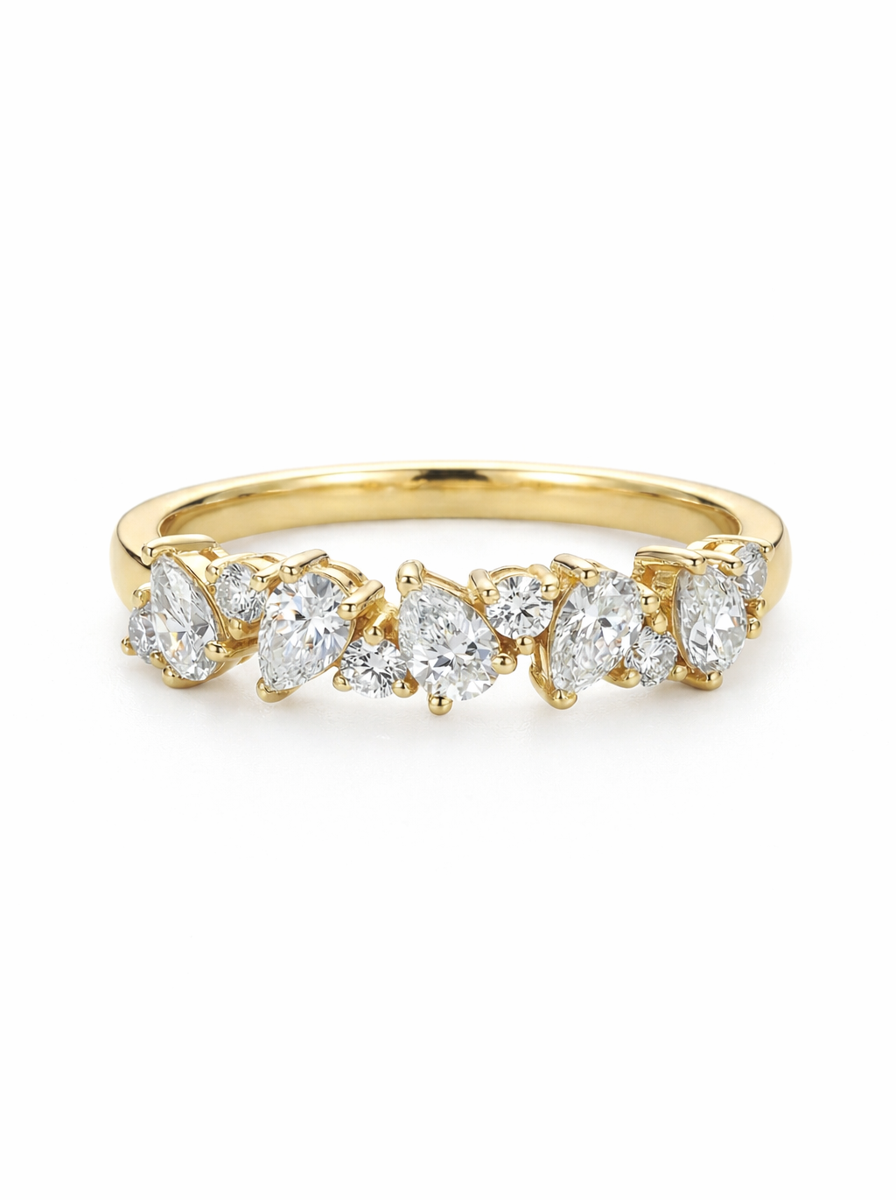
Sustainability at Core


Like you, we believe that true brilliance should never come at the cost of conscience. From the spark of an idea to the final polish, we craft fine jewelry that captures your values, integrity, and purpose.
The Modern Luxury Dilemma
In today’s world, the conversation around sustainability is louder and more urgent than ever. While diamonds have served as the ultimate symbol of love and commitment for generations, the environmental and social impacts of traditional diamond mining have left many consumers questioning their choices.
You deserve to feel absolute confidence in your fine jewelry. That lingering uncertainty—wondering if a diamond is truly clean, responsible, and free from human compromise—is exactly why HIGHLINE DIAMOND was born.
The HIGHLINE DIAMOND Promise
For us, "ethically sourced" is not just a marketing feature; it is the very foundation of the HIGHLINE DIAMOND identity. We believe that your most treasured keepsakes should be entirely free from ethical ambiguity.
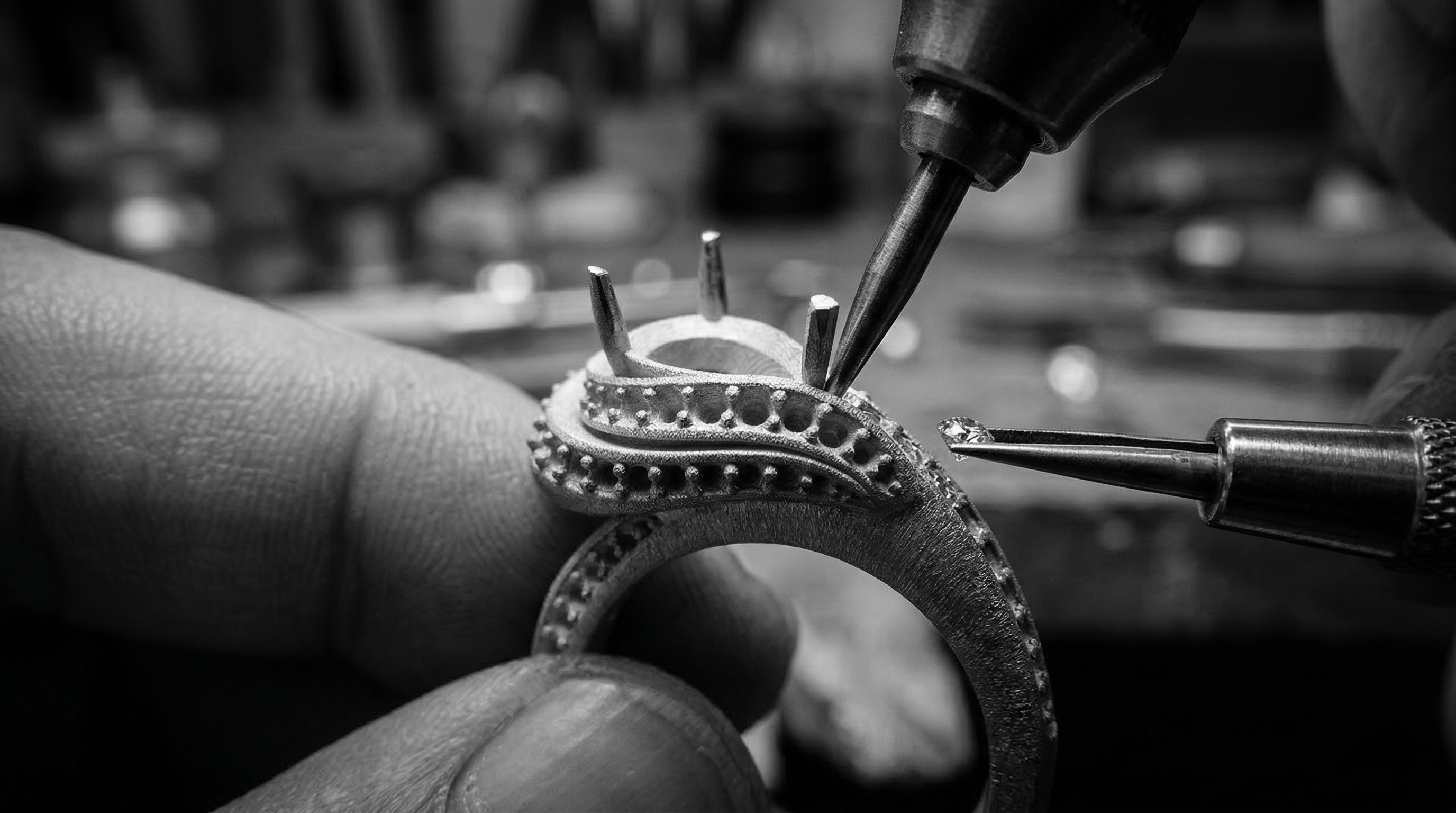
Long before our master artisans sketch a design or cast a mold, we make a conscious commitment to ensure every piece of HIGHLINE DIAMOND jewelry is crafted with profound care for both people and the planet.
Championing Lab-Grown Diamonds
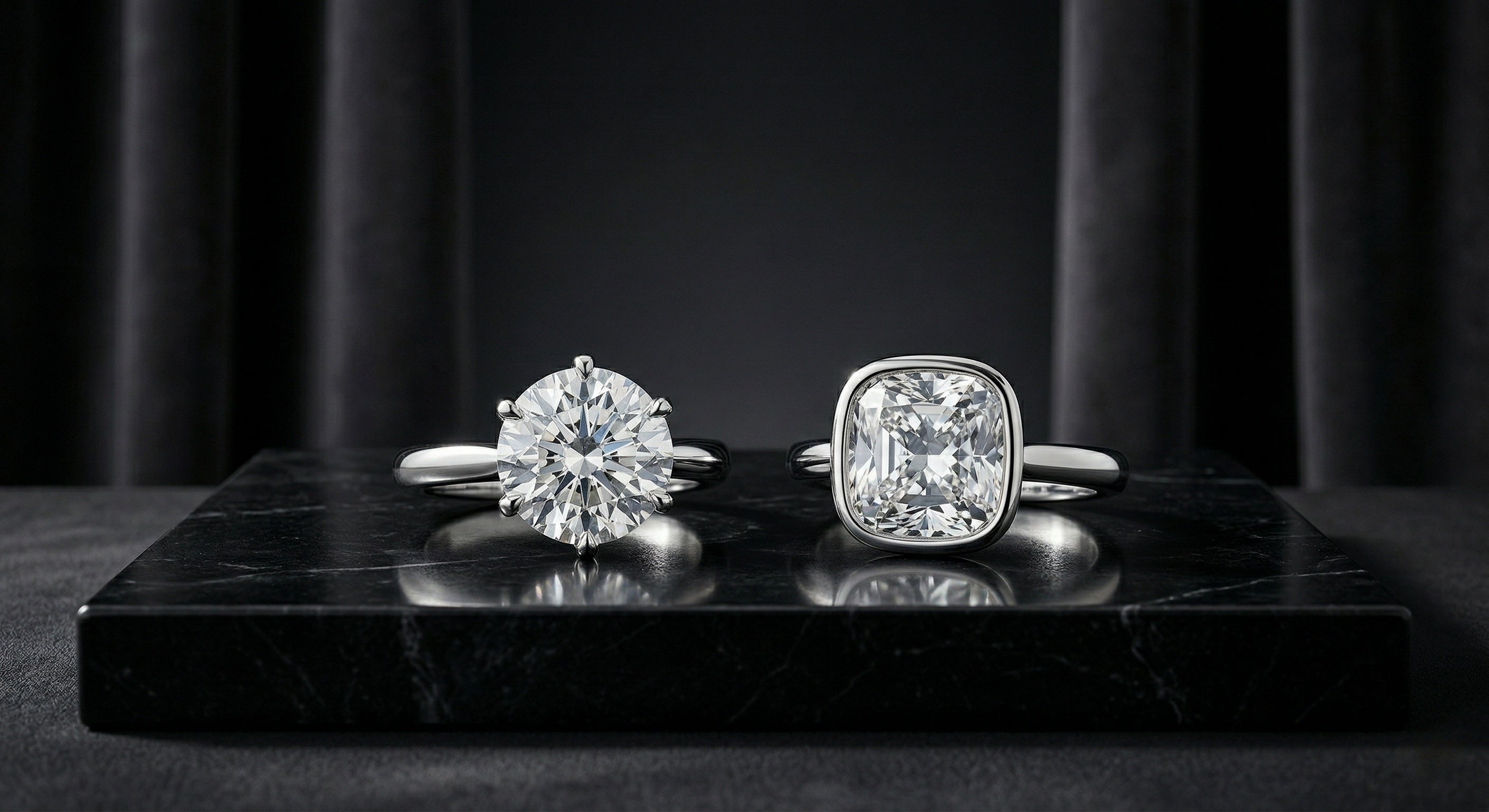
At HIGHLINE DIAMOND, we proudly exclusively feature premium lab-grown diamonds across all our collections. By choosing lab-grown, we inherently bypass the devastating ecological destruction and social conflicts historically tied to traditional diamond mining.
But our commitment doesn't end there. We go the extra mile by partnering only with forward-thinking foundries that share our uncompromising dedication to environmental responsibility.
Powered by Renewable Energy & Carbon-Neutral
It is a vital truth that not all lab-grown diamonds are created equal. While they eliminate the need for mining, the creation process can still demand significant energy.
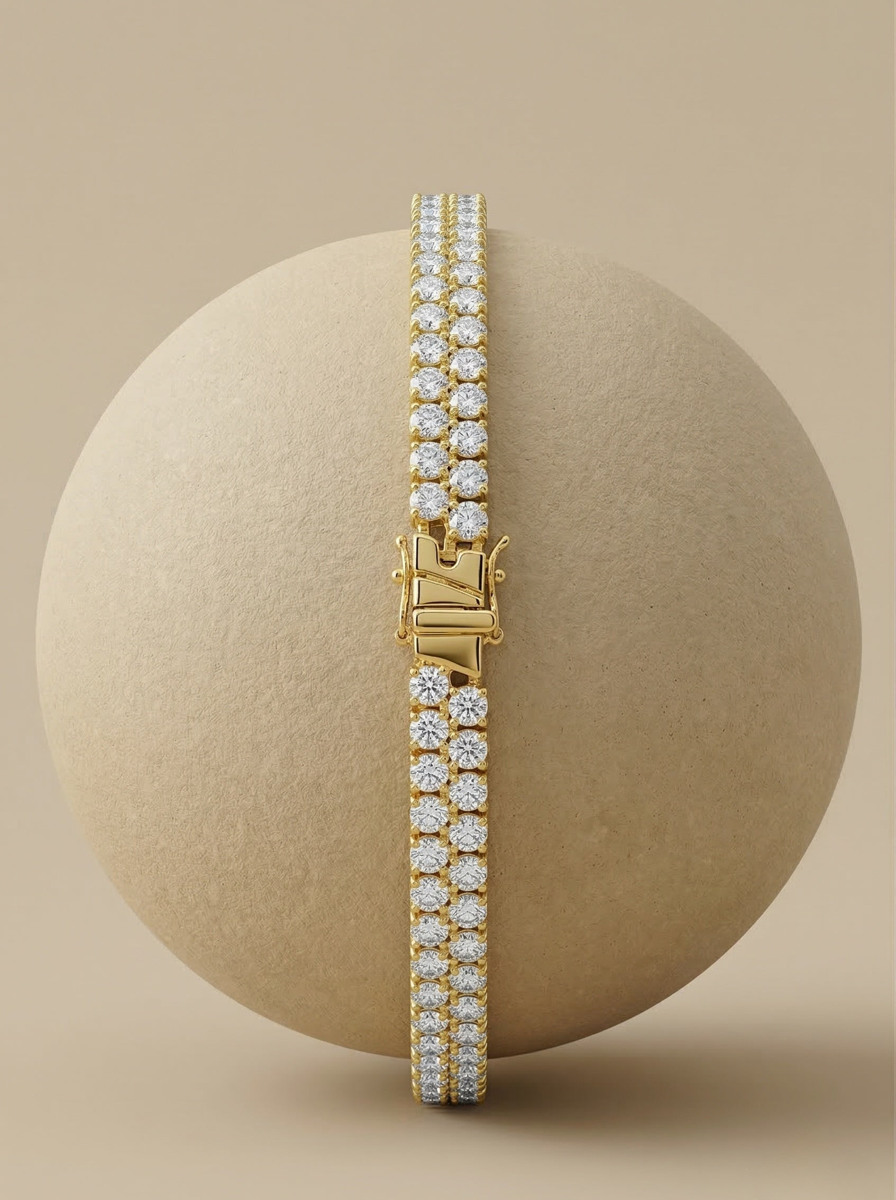
To combat this, HIGHLINE DIAMOND partners exclusively with foundries powered by renewable energy. From the sourcing of raw materials to the final, meticulous polish, our diamonds are produced with a zero-carbon emission footprint. Every ring, necklace, and bracelet we create is designed not just to shine brilliantly, but to leave a definitively positive mark on the world.
Conscious Care for Our Community
We believe that true sustainability must be socially responsible. The journey of a HIGHLINE DIAMOND piece—from ethically sourced metals to our dedicated design workshops—takes place entirely within safe, equitable, and supportive environments.
We are deeply committed to uplifting the incredible humans behind our jewelry. By fostering a transparent, connected community, we ensure fair wages and nurture both the personal and professional growth of our artisans.
Going a Step Further...
We refuse to settle for the status quo. To guarantee that our fine jewelry remains at the forefront of ethical practices, we continuously push for better:
-
Regular Supply Chain Audits: We conduct stringent, regular audits of our sources to guarantee our promise of 100% ethically sourced sparkle.
-
Evolving Ethical Policies: As technology and the jewelry industry advance, we are committed to implementing the most up-to-date ethical policies. We adapt with the changing times to ensure we are always leading, not just following.
-
Industry Collaboration: We actively engage with industry leaders to push for broader ethical standards, helping to elevate the values of the entire jewelry landscape.
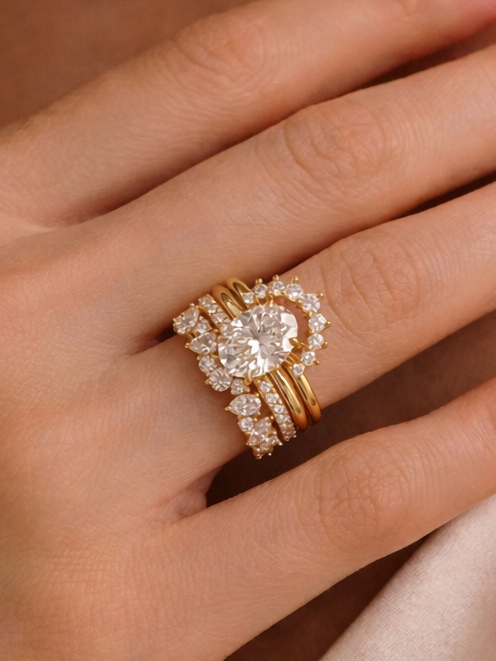
When you wear HIGHLINE DIAMOND, you are wearing more than a masterpiece of design. You are wearing a promise to the future—jewelry you can wear with absolute, uncompromising pride.